
Non-competitive soccer for children in Blacktown
A first soccer season doesn’t need a scoreboard to be a win. Non-competitive soccer for children in Blacktown can offer a welcoming way to enjoy movement, practise basic skills and share the game, without making results the main focus.
It’s natural to wonder whether a child needs experience, confidence with a ball or a competitive streak to join in. In a supportive community setting, children can learn at their own pace, enjoy time with others and grow comfortable taking part. A good starting point depends on the child’s age and readiness, especially for younger players.
Here, you’ll learn what non-competitive soccer can offer children aged 2 to 12, how community clubs can support junior development, and what to consider when finding a suitable way to get involved in Blacktown. We’ll also look at how seasonal teams, holiday activities and summer programs can fit different family routines.
Table of Contents
Community soccer clubs and junior development
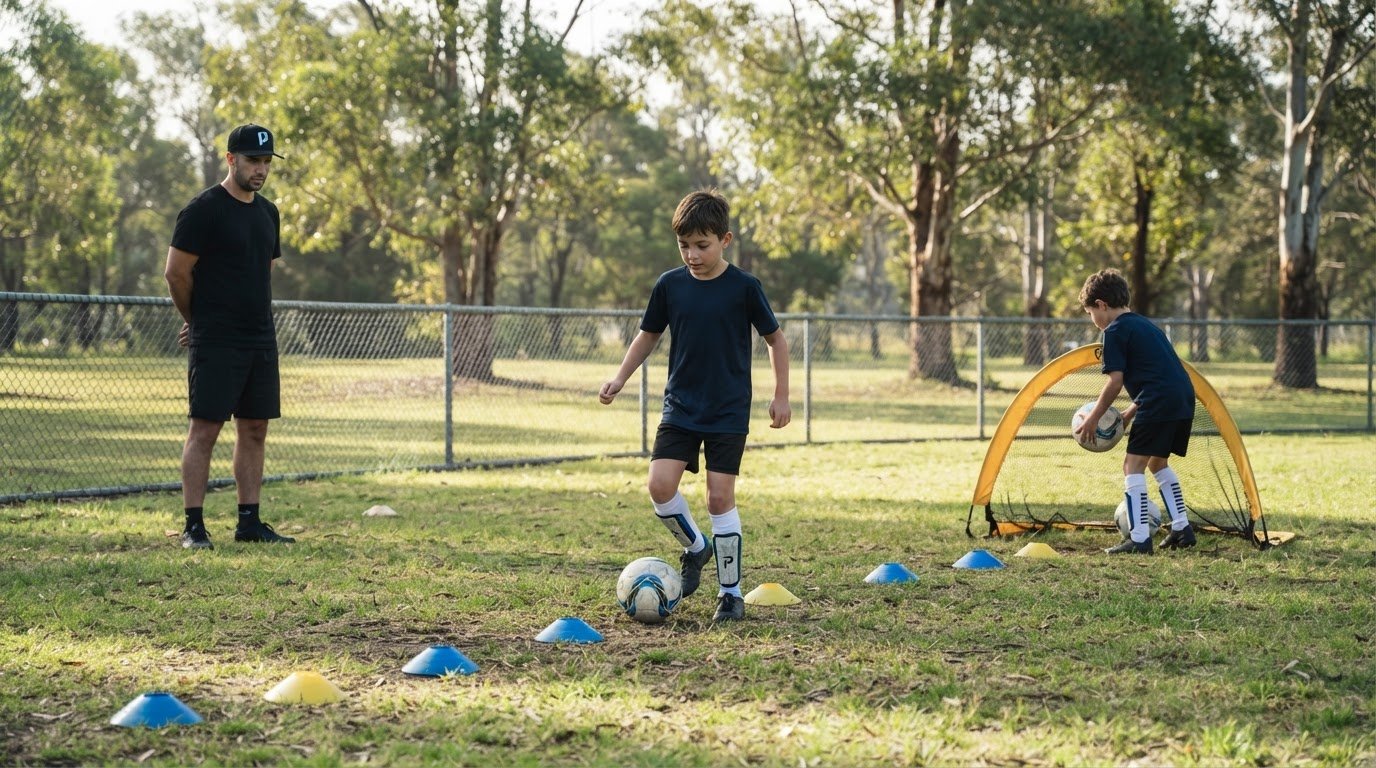
Community soccer gives children a local place to meet, move and learn through play. A first session might involve following a ball and joining a simple group activity. Older children can practise passing, stopping and changing direction. In Blacktown, families can look for programs that welcome beginners and let children build familiarity gradually. Start with the child’s age, comfort and interest rather than previous soccer experience.
Junior development is about more than learning to kick accurately. A child taking turns in a small game also practises listening, sharing space and responding to teammates. For example, a coach might invite players to pass the ball before moving towards a marker. This gives children a clear task without making the final score the focus. As confidence grows, coaches can introduce another step, such as passing to a moving teammate.
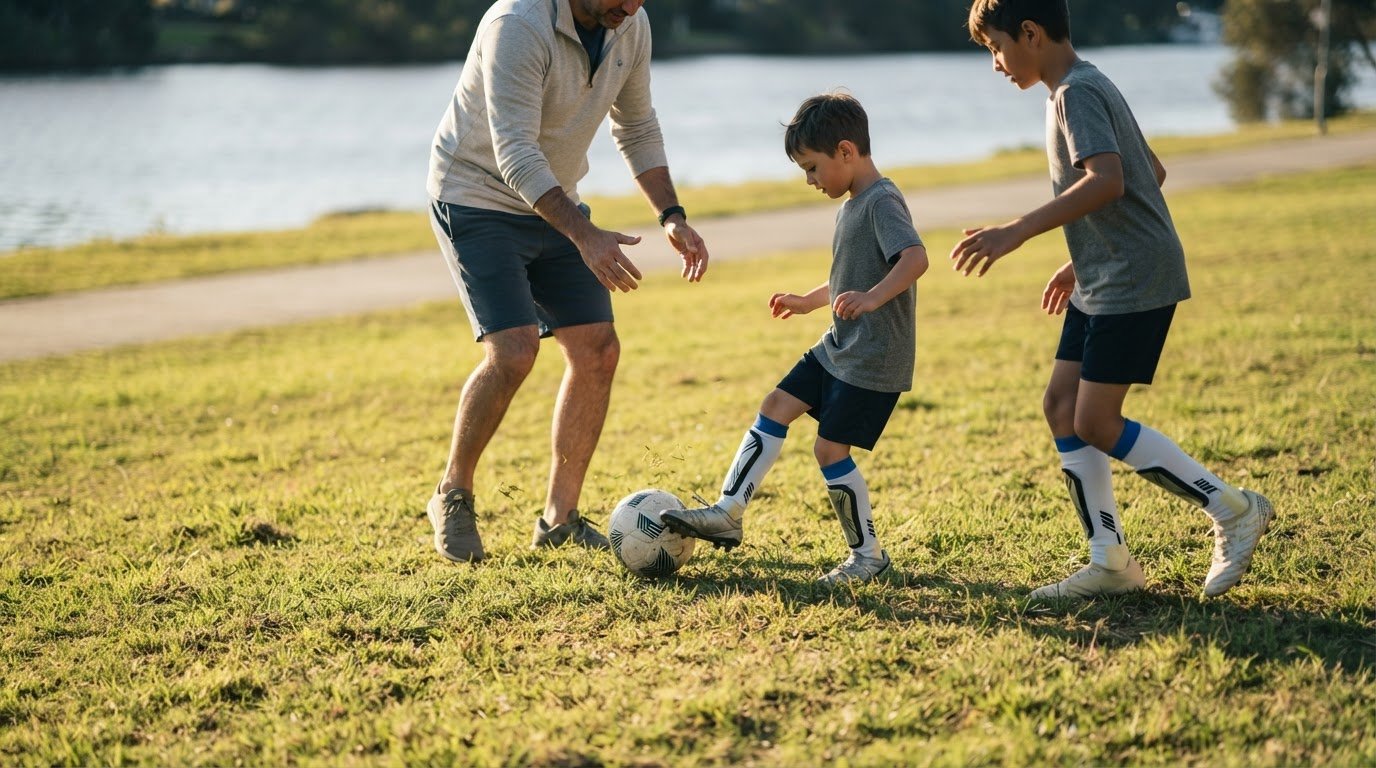
Age group matters because a young child and a pre-teen need different activities. Younger players may benefit from short instructions and playful movement. Older beginners may enjoy practising a sequence, such as receiving a pass, turning and finding a teammate. International Parramatta FC offers football across age categories from three-year-olds through junior, youth and adult competitions, for males and females. This range shows how community football can provide different stages of participation.
When comparing community programs, consider whether activities give each child manageable chances to take part, not just watch. For a shy beginner, a welcoming first activity could be rolling the ball to a partner. A child who already enjoys sports may prefer a small-sided game with more movement and decisions. The key is whether the activity suits the child’s current confidence.
Families can use a few practical steps to find a suitable junior setting:
Start with age and readiness. A two-year-old may need a parent nearby, while a school-aged child may be ready for group instructions.
Look at the session format. Notice whether children practise skills, play together and get repeated turns with the ball.
Consider the social setting. A child who knows a neighbour or sibling may feel more at ease joining a group.
Talk about the child’s goal. They might want to make friends, learn to pass or simply enjoy running around.
These steps help families focus on the experience rather than uniforms or results. If a child loses interest during a long explanation, brief demonstrations may suit them better. If they enjoy trying again, a repeated passing activity can help them practise at their own pace. Notice what engages them, such as joining a group game or celebrating a teammate’s pass. Those observations can guide your next choice.
In Blacktown, non-competitive soccer for children can be a gentle entry into organised play, especially when a child is still learning group routines. Ask what a typical session involves, how beginners are welcomed and whether activities suit the child’s age. A clear answer helps you picture the experience before committing. For children aged two to twelve, the best fit is the one that makes participation feel manageable and enjoyable today.
Non-competitive vs competitive soccer in Blacktown
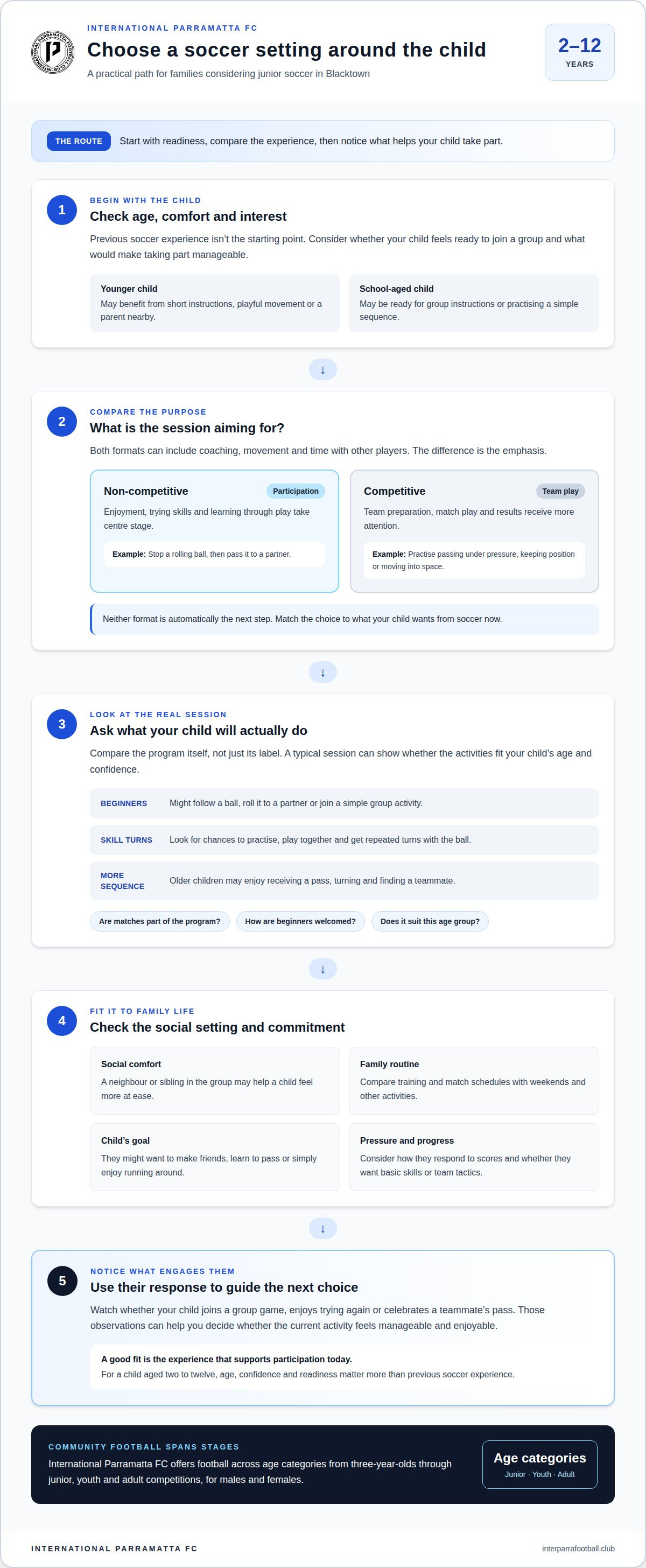
For a child aged two to twelve, the main difference is the purpose of the session. Non-competitive soccer puts participation, enjoyment and learning at the centre. Competitive soccer gives more attention to team preparation, match play and results. Both can include coaching, movement and time with other players. The better fit depends on what your child wants from soccer now, not on which format sounds more serious.
In a non-competitive session, a coach can shape activities around trying a skill and joining in. For example, children might practise stopping a rolling ball, then pass it to a partner. The activity gives each player a simple role without making goals or rankings the measure of success. A child new to group sports can get used to taking turns before facing the extra demands of regular matches.
A competitive team has a different emphasis. Players work together towards fixtures, and training can focus on skills that help them play as a unit. A child may practise passing under pressure, keeping their position or moving into space. Match results matter more in this setting, so players need to be comfortable with a stronger focus on performance. This structure can suit a child who asks for matches and enjoys working towards a team goal.
No format guarantees the same experience across every club or age group. Compare the actual program, not just its label. Ask what a typical session looks like for your child’s age, whether matches are part of the program, and how coaches help beginners take part. A family with a child who loves free play may prioritise varied activities. A keen young player may value regular team training.
Use these differences to guide your decision:
Purpose: Choose participation-focused play if enjoyment and trying soccer are the main goals. Consider a competitive team if your child wants to prepare for matches.
Pressure: Notice how your child responds to scores, winning and losing. A relaxed approach may suit them better while they build confidence.
Commitment: Compare the family routine with the program’s training and match schedule. Regular fixtures take planning around weekends and other activities.
Progress: Look for development that fits your child. A beginner might work on passing, while an experienced player may want team tactics.
Age alone doesn’t decide readiness. A young child might love the routine of team matches, while an older beginner may prefer an informal introduction. Think about how your child reacts when a game changes direction, a teammate gets the ball first or a team loses. These everyday moments can help you discuss the choice without presenting competition as the required next step.
For families in Blacktown, the practical next step is to compare the program’s activities with the child’s current interests. Write down whether they want to learn basic skills, make friends, play matches or practise with a team. Then use those priorities when reviewing the schedule and coaching approach. If a seasonal format suits your plans, you can explore local soccer program options as another way to take part.
Children can change their preferences over time. A player who starts with casual activities may later ask to join a team, while a competitive player may want a season with less focus on results. Treat each choice as a fit for the present. Review the decision after your child has experienced the session format, rather than assuming one pathway must suit them throughout childhood.
International Parramatta FC: Summer Soccer
International Parramatta FC offers Summer Soccer for families looking for a seasonal way to enjoy the game. It can suit children who want to stay involved outside a regular team season or try soccer in a different setting. If your child is deciding how much structure they enjoy, consider whether a summer program fits your family’s routine and their interest in playing.
For a more structured team experience, Seasonal Football Team Registration offers another route. Holiday Clinics can suit children keen to spend holiday time around soccer, while Club Shop Merchandise is available for club gear. Choose the option that best matches your child’s goals and your family’s plans. You’re welcome to visit International Parramatta FC’s website to learn more.
Choose a first step that feels right
Your child’s next soccer experience can begin with a small, shared decision. Ask what they’d most enjoy trying, such as joining a group activity, learning a new skill or playing alongside a friend. That conversation can help make non-competitive soccer for children in Blacktown feel like their choice, not another commitment made for them.
After taking part, notice what they talk about on the way home. Their favourite moment might be meeting someone new, making a pass or simply having a go. Use that response to guide what comes next, and let their interests evolve naturally as they grow.
If you’re ready to explore a welcoming place for your child to take part, visit International Parramatta FC. A first step can be simple, and every child deserves the chance to enjoy the game in their own way.
Frequently Asked Questions
What ages can children join non-competitive soccer programs in Blacktown?
International Parramatta FC’s football programs start at age 3 and extend to adults. That gives families a clear starting point when considering club football for a preschool-aged child. For a three-year-old, look for a group setting that suits their comfort with following activities and joining other players. Age ranges can differ between programs, so check the age guidance for the specific format you’re considering.
Are there beginner-friendly soccer programs for children with no previous experience in Blacktown?
Yes. International Parramatta FC has teams for players ranging from beginners to advanced, so children don’t need previous football experience to start. A new player can begin by learning how a team session works, then build familiarity with basic activities such as passing. If you’re comparing options in Blacktown, remember that a beginner-friendly team program and a non-competitive format aren’t necessarily the same thing.

Comments