
Multicultural Community Sport in Parramatta: How Local Sport Builds Belonging
In 2021, 26.5% of people in Parramatta spoke only English at home, according to REMPLAN. That figure offers a glimpse of the area’s diversity, but it can’t tell us what any one person wants from sport. Multicultural community sport parramatta is about how local clubs make it easier for neighbours to meet, take part and feel welcome.
Sport can create shared moments, from learning the game to cheering from the sidelines. But belonging doesn’t happen automatically. Costs, transport, confidence, language and whether people feel included can all influence someone’s decision to join. Parramatta’s communities are varied, so there’s no single story or solution.
This article looks at local participation, practical and social barriers, and ways clubs and residents can make sport more welcoming. International Parramatta FC is one local example, with football opportunities for children from age three through to adults. Its seasonal teams, summer soccer and holiday clinics offer different ways to take part, while each player’s experience remains their own.
Table of Contents
What does multicultural community sport mean in Parramatta?
Multicultural community sport is more than sport taking place in a suburb where people have different backgrounds. It creates ways for people to take part, contribute and feel respected, whether they’re playing, helping a team or supporting from the sidelines. In multicultural community sport parramatta, the focus is on the shared experience while recognising that each person has their own preferences, circumstances and relationship with sport.
Multicultural community sport brings people together through shared activity while making room for different identities, needs and experiences. A game gives people a regular reason to meet: teammates practise together, families gather on the sideline and volunteers work towards a common goal. Familiarity can grow through these repeated moments, but participation alone doesn’t guarantee friendship or belonging. The welcome people receive and whether they feel comfortable returning matter too.
How is multicultural sport different from simply having diverse participants?
A team photo or a varied crowd may show representation, but it doesn’t reveal whether people can participate fully or feel they belong. Meaningful participation includes a genuine chance to play, contribute and understand what’s happening. Clear instructions, respectful interactions and a friendly greeting can help people feel included rather than simply present.
People’s experiences aren’t interchangeable. Culture, language, religion and sporting background are distinct, and none tells a club exactly what an individual needs. Ask, listen and make room for different preferences instead of assuming one approach will suit everyone.
Why does the Parramatta setting matter?
Parramatta is part of Greater Western Sydney, a region shaped by many communities and local connections. For background on the area, Parramatta, a city in Greater Western Sydney offers an overview of its history and cultural diversity. This context helps explain why local sport can bring people with different experiences together, without reducing the suburb to a single story.
Local sporting communities can reach beyond one council area. International Parramatta FC serves Parramatta and nearby Cumberland, Hills and Blacktown communities, connecting players across neighbouring areas. For more on the local football context, explore community football in Parramatta.
Keep the focus practical: who can take part, how they’re welcomed and what helps them return. Listening to local voices is more useful than treating cultural diversity as a guarantee of connection.
How can community sport turn cultural diversity into connection?
Connection often starts with showing up again. At training, people learn names, practise together and work out how the group communicates. On match day, they share effort, celebrate a good pass and recover from a tough result. These moments can build familiarity, but a club’s everyday behaviour also needs to make room for people to feel welcome.
Repeated shared activity gives local people more chances to connect, while respect and a genuine welcome help make those opportunities meaningful. Team responsibilities can make inclusion visible. Explaining a drill, setting out equipment or helping a new player understand match-day routines gives people ways to contribute beyond their performance on the field.
Clear expectations support everyone. Clubs can explain how sessions run, what respectful conduct looks like and who can answer questions. Newcomers don’t have to guess the unwritten rules, and regular participants share an understanding of how to treat one another.
What helps newcomers feel part of a team?
A friendly introduction can make the first session feel less daunting. Add plain-language information about where to go, what to bring and what will happen, then give people time to learn the routines. Keep checking in after sign-up: a warm welcome matters, but so does being greeted at the next training session and included in team conversations. Ask what support would help rather than assuming everyone needs the same thing.
How can sport support connection beyond the field?
Sport creates opportunities for players, families, volunteers and supporters to connect, from a sideline conversation to working together on a team task. People with different levels of playing experience can share a role, encourage a teammate or help the group run smoothly. The Centre for Multicultural Youth’s inclusion framing is useful context for welcoming practice, but it doesn’t show that a particular outcome has occurred in Parramatta.
Clubs can make these opportunities more open by keeping communication clear, responding respectfully to questions and making sure contribution isn’t limited to the most confident players. Introduce people who haven’t met, explain decisions and address disrespect calmly. Then ask participants what’s working and what could change. Their feedback is more useful than assumptions about culture or background.
For a local example of shared football participation, explore community football programmes at International Parramatta FC. Regular football activities give people opportunities to meet and contribute, while each person’s experience remains their own.
What trends are shaping multicultural community sport in Parramatta?
To understand change in multicultural community sport parramatta, start with evidence rather than assumptions. Are more types of programmes being offered, or are existing activities reaching different age groups? Can girls and women take part across the same range of formats? Are community-led activities growing, or simply becoming more visible? These are questions to investigate, not conclusions to draw from a single club or event.
National figures provide context, but they don’t answer local questions. The Australian Public Service reported in March 2026 that adult participation in organised sport fell from 26% in 2013-14 to 22% in 2019, while children’s participation in organised sport outside school hours dropped from 70% in 2016-17 to 55% post-pandemic. These figures describe national patterns, not multicultural participation in Parramatta. Use them as a prompt to examine who is taking part, in what activities and over which period.
Which local signals can indicate change?
Look at current council reports, club programme records and association competition information. Compare the same sport, age group and type of participation across consistent periods. For example, an increase in holiday clinic numbers doesn’t automatically mean seasonal team participation has changed. Programme listings show what’s offered, while registration records may indicate uptake. Neither explains people’s experience or barriers to joining on its own.
For a fair comparison, check that records cover the same dates and use the same definitions. If gender access, participant background or return rates aren’t recorded, don’t infer them. Missing information is part of the picture, not a reason to guess.
How can readers avoid overreading the data?
Use each source for what it measures. A club record describes that club, not every local community; a change in one sport doesn’t establish a trend across all sports or cultural groups. Registrations also don’t show the whole story: they may not reveal whether people felt welcome, managed practical barriers or stayed involved.
Before drawing a conclusion, note the source and publication period, check whether the information is current, and compare like with like. This helps identify useful signals while respecting the different experiences behind them.
What can make multicultural community sport more welcoming locally?
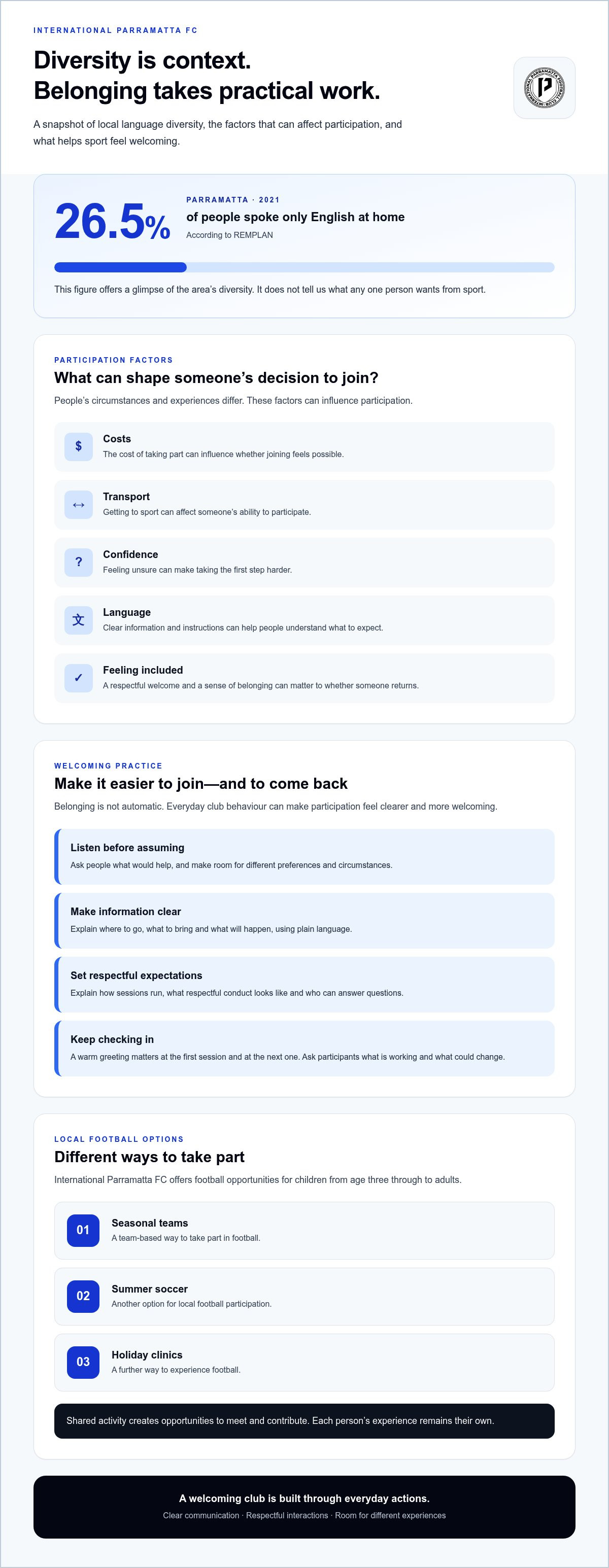
Welcoming sport takes more than a friendly first hello. Clubs can make participation easier by listening to people, sharing useful information clearly, welcoming newcomers and reviewing the experience over time. Barriers vary: one person may need clearer session details, while another may be unsure about team routines or whether questions are welcome. No single cultural solution fits everyone.
Inclusion is an ongoing practice: listen, make things clear, welcome people and learn from their experience. In multicultural community sport parramatta, consistent actions can make a club easier to approach without assuming everyone wants or needs the same support.
Listen: Invite participants to share what’s working and where they feel unsure. Make feedback easy to offer, and don’t expect one person to speak for a whole community.
Make information clear: Explain where and when activities happen, what to expect and how to raise a question. Use plain language and make key details easy to find.
Welcome people: Introduce newcomers, explain common routines and set a respectful tone for players, families and supporters.
Review: Consider feedback and notice whether club practices help people feel informed, respected and able to take part.
What can clubs and volunteers do in everyday settings?
A warm introduction and a simple explanation of what happens at training can take the guesswork out of arriving. Keep information accessible and give people a clear way to ask questions before or during participation. Agree on expectations for respectful behaviour, and respond consistently if someone is excluded or treated unfairly. Revisit those practices with participants rather than assuming a one-off welcome has addressed every concern.
How can local residents take part in a useful way?
Join in, support from the sidelines or volunteer in a way that suits your interests and capacity. If you’re helping, ask participants what would be useful and listen to their answers; good intentions don’t replace local voices. Avoid broad claims about what a cultural group wants. Summer soccer in Parramatta is one way to take part in community football and share the game.
Welcoming practice shows up in ordinary moments: a clear message, an inclusive introduction, a fair response to poor conduct and a genuine effort to learn. Residents can model respect and make space for others, whether they’re playing or cheering. Clubs can turn that goodwill into action by keeping communication open and treating feedback as part of how the group improves.
If you’d like to take part in local football, explore community football with International Parramatta FC.
How does International Parramatta FC fit into the local sport picture?
International Parramatta FC is a local community football club bringing together people from different cultural backgrounds. Founded in 2018 as Ambassadors FC Parramatta and renamed in 2020, the club has a welcoming Christian ethos. That identity is part of this club’s story, not a template for every sporting group or participant in Parramatta.
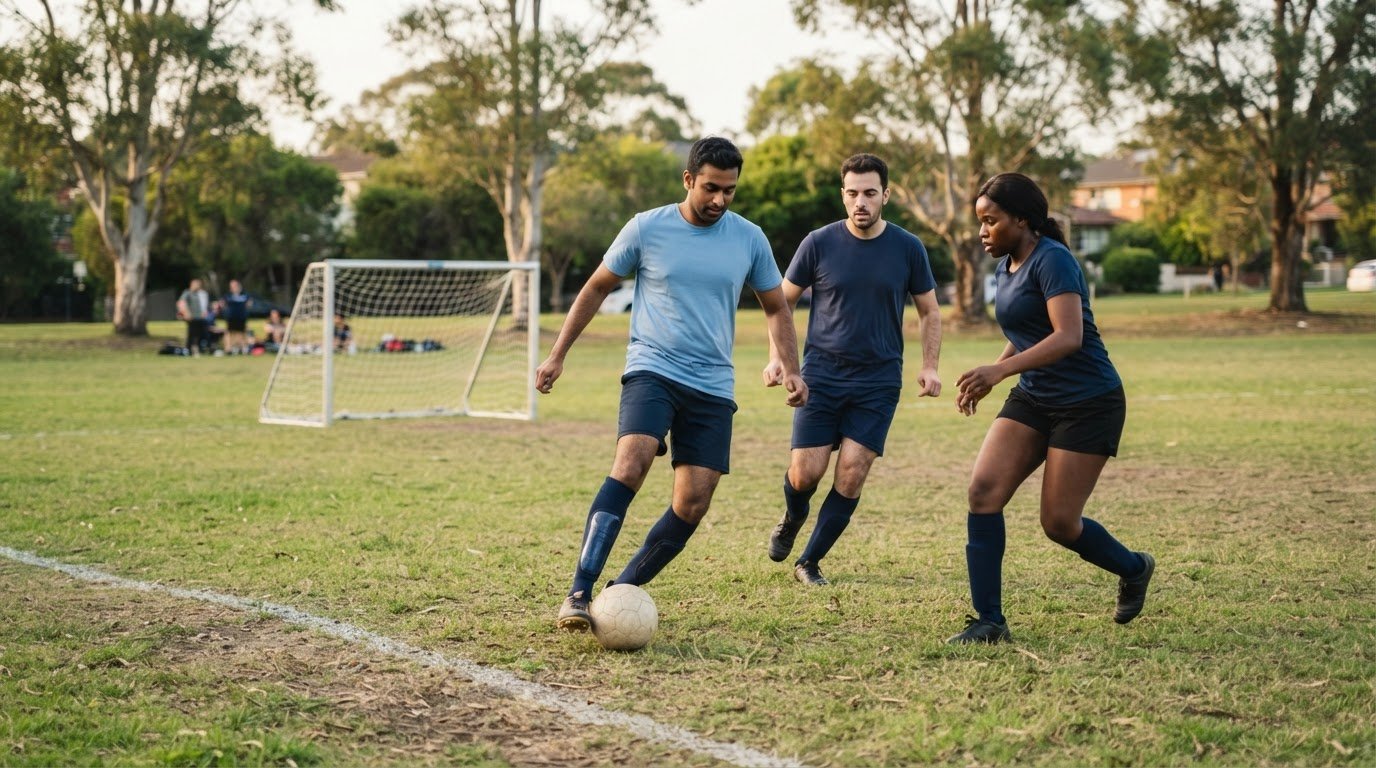
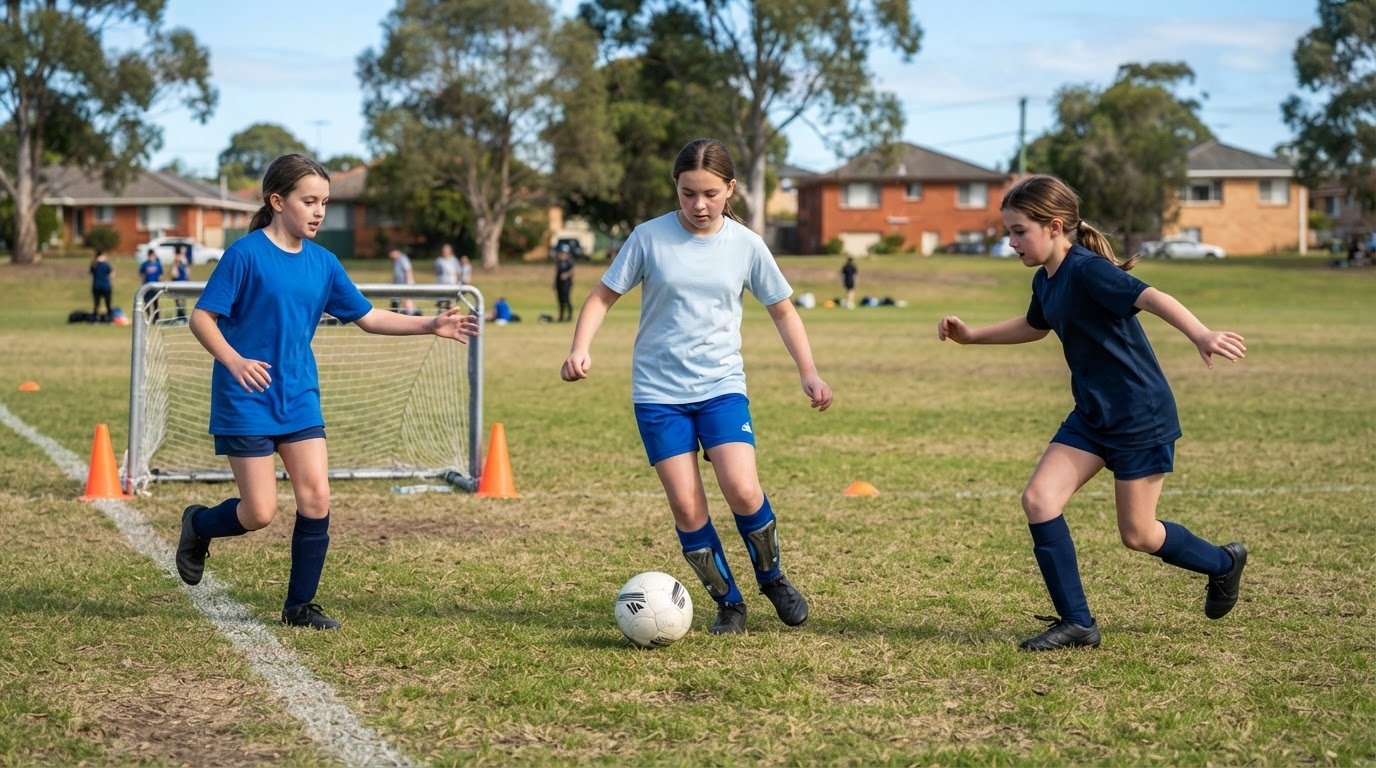
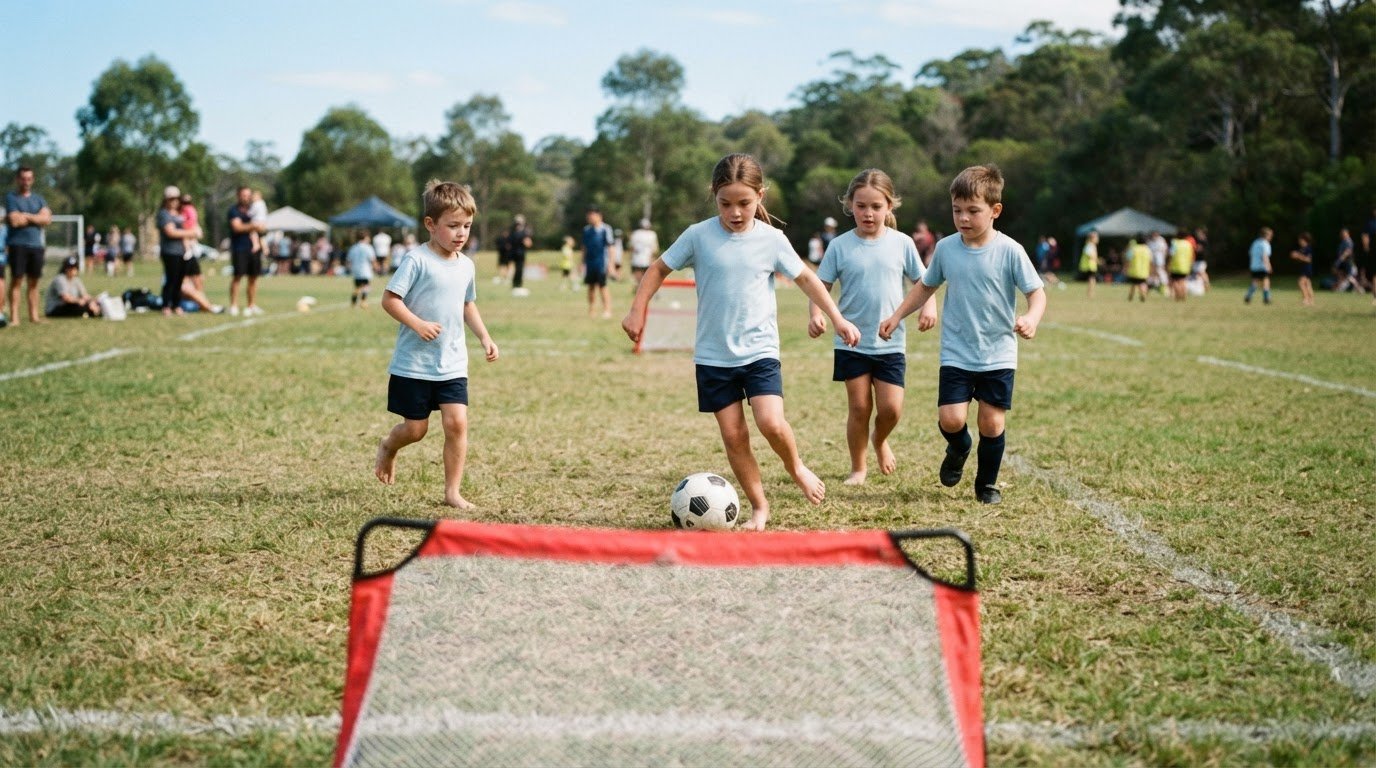
The club offers football for players from age three through to adults, with male and female teams. Its programmes include seasonal football, summer soccer and holiday clinics. These formats give families and individuals different ways to get involved, from a regular team setting to a shorter-term activity. When choosing, consider the player’s age, preferred level of commitment and whether a seasonal team, summer competition or clinic best suits their interests.
What does the club’s programme range illustrate?
Programmes for different ages create opportunities to join community football at different stages of life, while male and female teams provide options across those groups. The club also participates in CFA Sydney competitions and independent tournaments. Seasonal registration covers association membership, competition entry, insurance and team participation. These details place the club within organised local football, but don’t measure multicultural sport across the region.
Different programme formats suit different interests and circumstances. Seasonal teams, summer soccer and multi-day holiday clinics each offer a distinct setting for participation. Together, they provide several ways to engage with football without suggesting every format is right for every player or family.
Where can readers explore a local next step?
If you’re considering community football, think about the kind of participation that suits you or your family. A regular seasonal team, summer soccer or a holiday clinic each offers a different format. Reviewing the programme information can help you decide what fits your interests and schedule.
International Parramatta FC is one part of the wider multicultural community sport parramatta picture. Its age range, programme mix and community focus offer a concrete local example, while other sports and organisations serve people in different ways. This distinction lets the club’s story add local detail without standing in for every community experience.
To learn more about the club and its football community, discover International Parramatta FC.
Make your next local sporting moment count
Belonging isn’t built by slogans alone. It grows through everyday choices: who gets welcomed into a conversation, how clearly club routines are explained and whether feedback is heard. When considering multicultural community sport parramatta, notice what helps people feel comfortable joining in. A respectful question or a friendly hello can be a meaningful start.
You don’t need years of experience to contribute. Choose a role that suits your interests and capacity, support a local match or explore community football with a family member. Whether you want to play, cheer or learn more, curiosity and care are a good place to begin.
For a local next step, explore International Parramatta FC’s community football programmes and find out about seasonal teams, summer soccer and holiday clinics in Parramatta, Cumberland, Hills and Blacktown.
Frequently Asked Questions
Is multicultural community sport only for people who are new to Australia?
No. It can involve anyone who values or contributes to sport across cultures, including Australian-born players, long-established families and people who’ve recently arrived. Someone’s background doesn’t determine their sporting experience or the welcome they prefer. A club might bring together teammates from different generations and life stories, while each person joins for their own reasons, such as enjoying the game, keeping active or sharing an activity with family.
Can someone join community sport if they have never played before?
Yes, a lack of experience doesn’t automatically rule someone out. If you’re new to a sport, look for information about the expected skill level and session format. You could also watch a session, if that option is available, to get a feel for the pace and atmosphere. Being willing to learn is a sound starting point; no one needs to know every rule before taking part.
How can sport help people meet others in Parramatta?
Sport gives people shared reasons to spend time together, such as practising a skill, supporting a teammate or helping organise a game. In Parramatta, a neighbour might first meet someone through a child’s team, then recognise them at later sessions or community events. Repeated encounters can make conversation easier, but they don’t guarantee close friendships. People connect at different speeds, and a relaxed, respectful setting gives relationships room to develop naturally.
What should community clubs do to prevent racism in sport?
Clubs can set a clear standard that racist behaviour isn’t acceptable, explain how participants can raise concerns and make sure people know who will listen. Coaches and volunteers should respond calmly and promptly rather than dismissing harmful comments as banter. It also helps to check in privately with anyone affected and follow up consistently. A commitment matters most when it shapes everyday conduct, not just a statement displayed at the club.
Does multicultural sport include sports other than football?
Yes. The idea applies across sporting codes, from basketball and cricket to netball, athletics or recreational activities, wherever people can participate across cultural backgrounds. This doesn’t mean every sport has the same local options or community experience. In Parramatta, Cumberland, Hills and Blacktown, explore local activities and consider which setting best matches your interests and comfort level.
How can I find reliable information about local sport participation trends?
For multicultural community sport parramatta, begin with dated reports from local councils, sport associations and community organisations, then check what each source measures. A registration total, for example, isn’t the same as regular attendance or a participant’s sense of welcome. Look for the area covered, age groups included and time period, and compare sources only when their measures align. If a report is older, treat it as historical context rather than a current snapshot.
Comments