
Kids sport for building confidence in Parramatta
Confidence grows through taking part, not just winning. Kids’ sport for building confidence in Parramatta can give children chances to practise new skills, see their progress and connect with teammates. Local football programs cater for players from age 3 through to adults, so children can find a place to begin as they grow.
It’s natural to want sport to feel safe and encouraging, especially when your child is new, shy or still finding an activity they enjoy. A supportive coach can make learning feel manageable, while shared games give children opportunities to communicate, cooperate and build friendships.
This guide explains how age-appropriate sport can support confidence, social skills and broader development. You’ll learn what qualified, appropriately checked coaches bring to a positive sporting environment, what to look for in a program, and how children can benefit from trying skills at their own pace. We’ll also explore how football can help young players feel part of a team, whether they’re taking their first steps or ready to build on what they already know.
Table of Contents
Coach experience and Working with Children checks
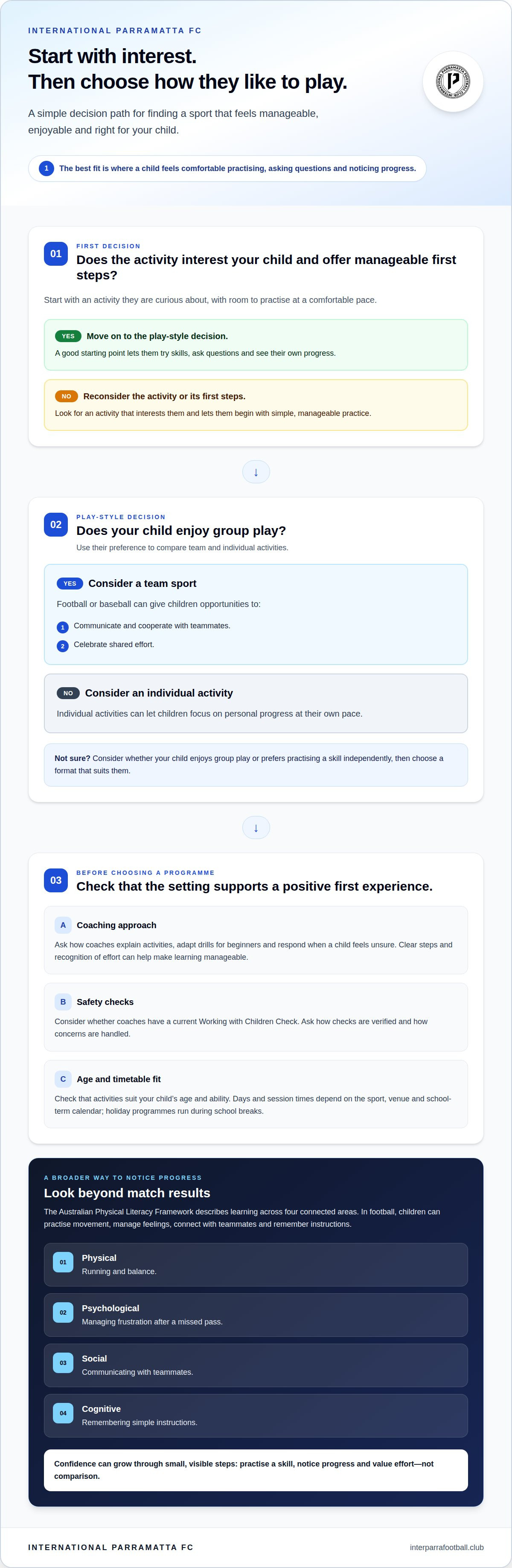
Before choosing a program, consider how coaches work with children, not just their playing record. Ask how they explain activities, adapt drills for beginners and respond when a child feels unsure. A coach who breaks a skill into clear steps and recognises effort gives children a practical way to build confidence. Parents can also consider a current Working with Children Check as part of their safety checks. Ask how checks are verified and concerns handled so you understand the program’s approach.
For kindergarten to Year 6 children, holiday camps can offer a structured introduction to sport. A welcoming camp gives children chances to try simple activities, practise skills and meet peers in a group setting. Check that the day includes clear instructions, suitable breaks and activities matched to children’s ages. Sport can also connect families and neighbours through shared participation, helping local communities build relationships around school and recreation.
Which sports are best for building confidence in shy or beginner children? Start with an activity that interests them and offers manageable first steps, such as basic football drills, athletics games or beginner baseball. The best fit is one where a child feels comfortable practising, asking questions and noticing progress.
How can parents compare team and individual sports for a child’s confidence? Team sports such as football or baseball create opportunities to communicate, cooperate and celebrate shared effort. Individual activities can let children focus on personal progress at their own pace. Consider whether your child enjoys group play or prefers practising a skill independently, then choose a format that suits them.
What days, times and term dates do Parramatta kids’ sports programs run? Compare each program’s timetable, as days and session times depend on the sport, venue and school-term calendar. Holiday programs run during school breaks, so match dates with your family’s schedule before choosing.
In baseball programs, children and teens can practise throwing, catching and batting, then learn how each role contributes to a team. Notice whether coaches give beginners simple tasks and useful feedback. A positive first experience can help young players keep exploring sport and find an activity they enjoy.
Physical, psychological, social and cognitive development
Sport can support more than movement. The Australian Physical Literacy Framework offers a useful way to consider children’s learning across four connected areas.
Development across key areas
The Australian Physical Literacy Framework describes physical literacy as the skills, knowledge and behaviours that support confidence and motivation for active lives. It covers physical, psychological, social and cognitive learning across the life course. In a football activity, children might practise running and balance, manage frustration after a missed pass, communicate with teammates and remember simple instructions.
ACHPER states that physical literacy capabilities begin early in life. A 2018 La Trobe University study found the Kids’ Athletics program positively influenced children’s physical literacy across all four domains. Look for activities that let children move, think, connect and reflect, rather than focusing only on scores.
Character development through non-competitive soccer
Non-competitive football can put participation, effort and shared play at the centre. When match results don’t dominate a session, children can practise taking turns, following agreed rules and including teammates. For example, a coach might invite the group to pass to everyone before attempting a shot.
These moments give children practical ways to show patience and respect. Parents can notice whether activities welcome different experience levels and value cooperation as well as goals. An inclusive session can help a child feel part of the group while learning how to contribute.
Confidence through skill development
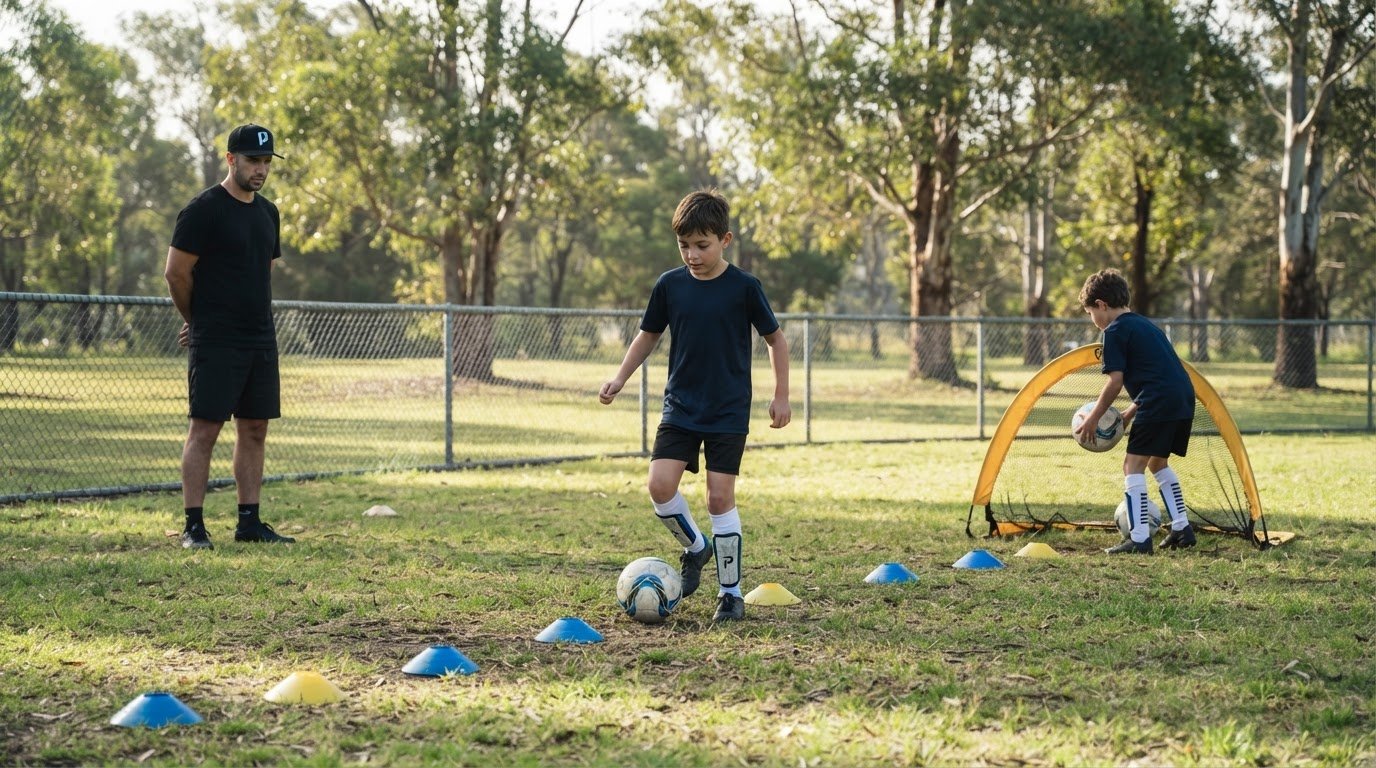
Confidence often grows through small, visible steps. A child learning to trap a ball can first stop a stationary pass, then control a gently rolled ball, before trying the skill in a game. Each step shows how practice can build ability.
Celebrate effort, such as trying again after losing control of the ball, rather than comparing children. Physical activity can also support focus, memory and mood, helping school tasks feel more manageable. To build healthy habits, make movement an enjoyable part of the week and let children help choose activities they want to continue.
For a welcoming way to put these ideas into practice, explore Summer Soccer activities as one option for children to move, learn skills and enjoy playing together.
Age-appropriate coaching and safe environments
Good coaching matches activities to children’s ability and gives them clear, manageable ways to take part. In Parramatta, families can also draw on local resources when considering a program’s approach.
Coach experience and encouragement
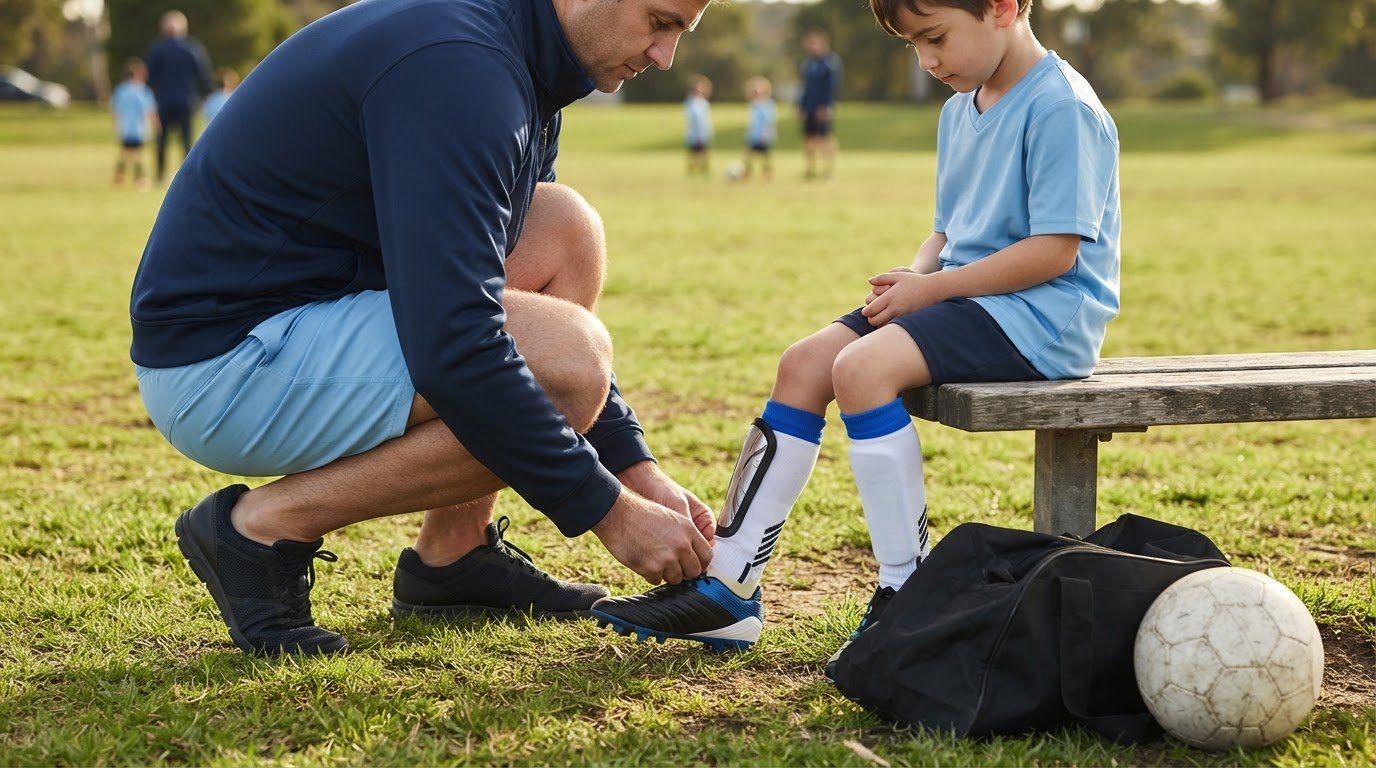
Look for coaches who explain activities in simple steps, demonstrate skills and adjust tasks when a child needs more practice. For example, a tennis coach might begin with a gentle rally, while a badminton group could practise short serves before playing points. These examples show how instruction can be adapted, but they don’t measure quality on their own.
Notice how coaches respond to mistakes and effort. Specific feedback such as “you watched the ball closely” gives a child something useful to repeat. The City of Parramatta Council’s Club Development program offers local sports clubs free online training, tools and resources. Teachers, coaches and parents can use these resources to support thoughtful club development.
Inclusion, positive behaviour and safety
How do coaches support confidence, inclusion and positive behaviour in children? They can set clear expectations, use respectful language and give each child a meaningful role, such as taking a turn to lead a warm-up. These steps help children feel involved and show what fair play looks like.
What should parents consider for safety, injuries and insurance in kids’ sport? Ask about the activity’s safety procedures, how coaches respond to injuries and what participant insurance covers. Share relevant health information with the program and keep emergency contact details current.
Age-appropriate sessions should account for children’s coordination, attention and experience. A younger beginner may need a short demonstration and a simple movement, while a more experienced child can try a decision-making challenge. In tennis, coaches can adjust rally distance and pace; in badminton, group activities can practise serving and returning before a game. These examples show how one sport can offer different starting points.
Before choosing, observe a session if possible and look for practical signs: instructions children can follow, suitable equipment, clear boundaries and time to rest. The City of Parramatta Council’s Active Community Providers directory helps residents find local fitness, sport and wellbeing activities run by groups using Council facilities. Explore options there, then compare how each program structures activities for children.
Friendships and social skills through sport
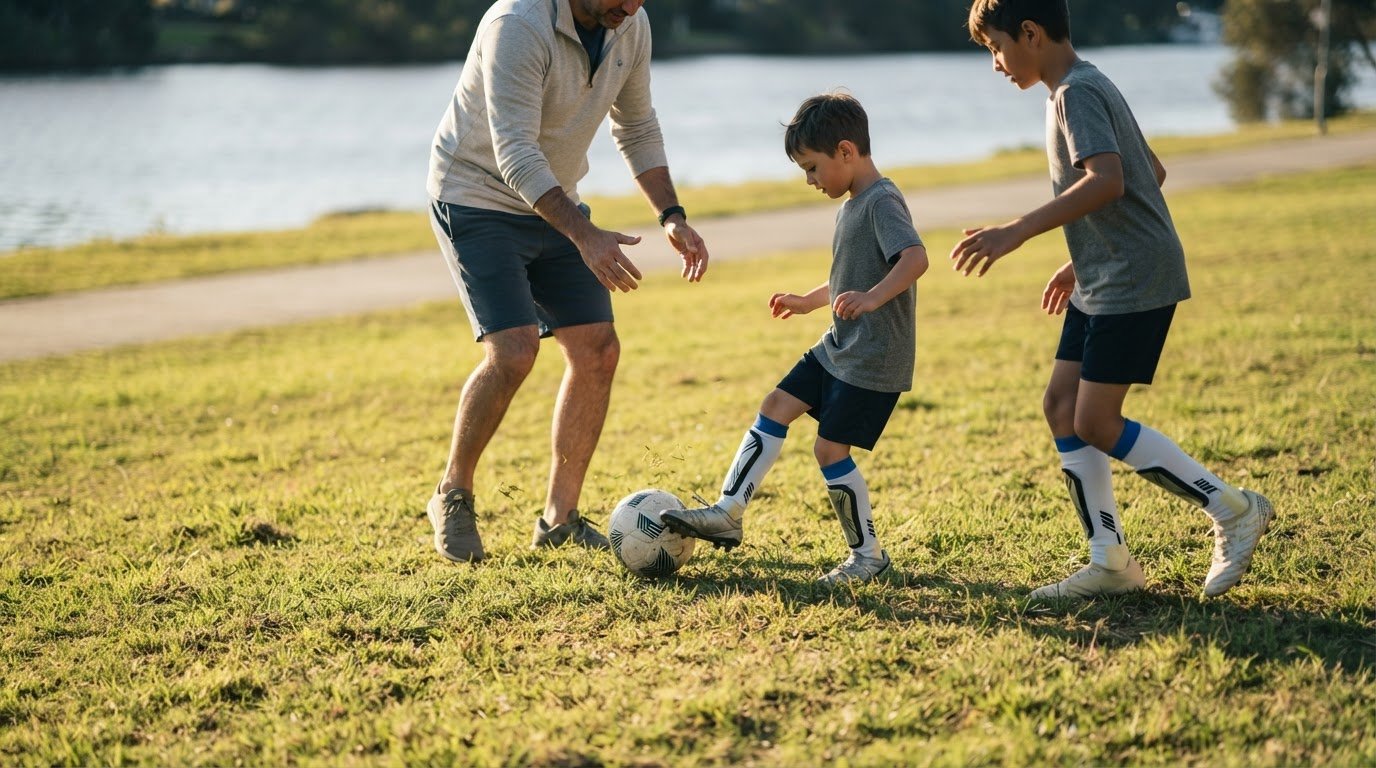
A shared game gives children practical reasons to talk, listen and work together. In football, one player might call for a pass while another spots space and responds. These exchanges help teammates practise communication and trust. Sport can also give a new child an easy way to join in: pass the ball, take a turn or help collect equipment after an activity.
Teamwork grows through everyday moments, not just match results. A child might encourage a teammate after a missed shot, wait for their turn or agree on who will defend. These actions help children learn cooperation and consider how their choices affect the group. Parents can notice whether their child is starting conversations, sharing play or recovering calmly when a game doesn’t go their way.
Football skills give children new ways to contribute. Learning to control a ball, pass accurately or move into space takes practice, and each skill creates another opportunity to take part. A beginner who makes a useful pass may feel more comfortable asking for the ball next time. For families exploring kids’ sport for building confidence in Parramatta, these small signs of participation can help show whether an activity feels right.
Trying a new sport can widen a child’s circle of friends. A child who enjoys football might explore another activity, then discover different roles and ways to connect. Start simply: talk together about what looks enjoyable, attend an introductory session and ask what your child liked afterwards. Their answer can guide whether to return, try another skill or explore a different sport. Choosing kids’ sport for building confidence in Parramatta can start with listening to what your child wants to try.
If your child would enjoy practising soccer skills alongside other young players, take a look at joining Summer Soccer.
International Parramatta FC: Summer Soccer
International Parramatta FC offers Summer Soccer for families looking to introduce children to football. If your child enjoys practising skills and connecting with teammates, it can be a natural next step. The club also offers Seasonal Football Team Registration and Holiday Clinics, giving families options to consider as children’s interests and routines change.
Choose the format that best suits your family’s current goals: a seasonal team experience, holiday activities or Summer Soccer. Football can give children opportunities to keep learning through movement and shared play. Visit interparrafootball.club to explore Summer Soccer, or contact International Parramatta FC for information.
Give your child a positive next step
A child’s interests can change as they try new activities, meet teammates and discover what they enjoy. Let them help choose what comes next. They might want to keep practising a familiar skill, join a team or try a different kind of session. That small choice can make sport feel like their own and give them a reason to take part with enthusiasm.
If you’re exploring kids’ sport for building confidence in Parramatta, focus on the experience your child wants, not just the activity itself. A welcoming first step can offer a chance to learn, connect and grow at their own pace.
International Parramatta FC offers families a local football option to explore. Visit International Parramatta FC to learn more and consider what could suit your child. Every new skill starts with a first go, so take that step together and enjoy seeing where it leads.
Frequently Asked Questions
What kids’ sports clubs and confidence-building programs are available in Parramatta, NSW?
Children in Parramatta, Cumberland, Hills and Blacktown can explore football, tennis, badminton, baseball and community fitness activities. International Parramatta FC is a local football option, offering Summer Soccer, seasonal team registration and Holiday Clinics. To explore activities beyond football, the City of Parramatta Council’s Active Community Providers directory lists fitness, sport and wellbeing activities run by groups using Council facilities. Compare the format and suitability for beginners to find a good starting point.
What ages do Parramatta kids’ sports programs accept?
Age ranges depend on the club and activity. International Parramatta FC welcomes players from 3-year-olds through to adults, while other programs set their own age groups. When comparing options, look for the stated age band and whether children are grouped by age, experience or both. A child who is new to sport may feel more at ease in a session designed for their stage of development.
Where are children’s sports clubs and facilities located in Parramatta and nearby suburbs?
International Parramatta FC is based at PH Jeffery Reserve, Barton Street, North Parramatta NSW 2150. Families in Parramatta, Cumberland, the Hills and Blacktown can use the City of Parramatta Council’s Active Community Providers directory to explore activities run by groups using Council facilities. Check each listing’s venue details and travel distance, as community activities take place at different locations across the area.
How can I find a trial class or beginner-friendly sports program in Parramatta?
Look for program descriptions that clearly welcome beginners or advertise an introductory or trial session. The City of Parramatta Council’s Active Community Providers directory can help you identify local activities, then compare age groups, session formats and venue locations. Before choosing, consider what your child wants to try, such as ball skills or group games. A familiar activity can make a first visit feel easier.
Comments